


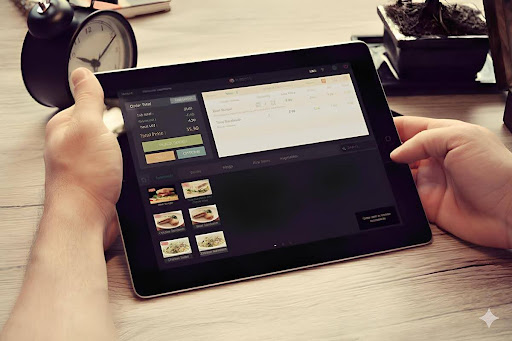
In today’s fast-paced restaurant industry, efficiency and accuracy are critical for success. A robust POS for restaurants system does more than just process transactions, it acts as the backbone of your restaurant operations. However, a POS alone is not enough. Integrating essential tools such as kitchen display systems, inventory management, accounting software, and customer relationship management can streamline operations, reduce errors, and improve both staff productivity and customer satisfaction.
Modern restaurant POS solutions are designed to work seamlessly with multiple integrations, allowing managers to have full control over operations from a single platform. This integration ensures smoother workflows, faster service, and better decision-making. From back-of-house operations to front-of-house service, the right integrations can transform your restaurant into a more efficient, profitable, and customer-focused business.
1. Kitchen Display Systems (KDS)
Modern kitchens require speed and accuracy to deliver consistent customer experiences. Kitchen Display Systems streamline communication between the front of house and kitchen staff, ensuring every order is prepared correctly and on time.
What it does?
Kitchen Display Systems (KDS) replace traditional printed tickets with digital screens that display orders directly to the kitchen staff. Orders are sent from the pos for restaurants in real-time, ensuring that chefs and line cooks receive the correct items instantly. This eliminates miscommunication, reduces wait times, and allows for better organization of meal preparation.
Key Benefits
- Improves Accuracy: Reduces errors caused by handwritten tickets or verbal instructions.
- Increases Speed: Orders are displayed instantly, allowing the kitchen team to start preparation immediately.
- Optimizes Workflow: Helps prioritize orders and manage multiple dishes efficiently.
2. Online Ordering & Delivery Platforms
Online ordering has become a vital part of restaurant revenue. Integrating delivery platforms with your POS ensures a seamless experience for both staff and customers, keeping orders organized and accurate.
What it does?
Online ordering and delivery platform integrations allow your POS to directly receive orders from websites, apps, or third-party delivery services. This removes the need for manual entry, reduces mistakes, and ensures all orders are centralized in one system. Customers can browse the menu, place orders, and pay online seamlessly, while the restaurant manages everything from the POS.
Key Benefits
- Centralized Orders: All incoming orders, whether dine-in, pickup, or delivery, are managed from a single platform.
- Real-time Menu Sync: Updates to menu items, prices, or availability reflect immediately across all online platforms.
- Reduces Errors: Minimizes mistakes from manual input or miscommunication between staff and third-party platforms.
3. Inventory Management
Keeping track of ingredients and supplies is critical for cost control and efficiency. Inventory management integrations allow restaurants to monitor stock levels automatically, ensuring nothing runs out unexpectedly.
What it does?
Inventory management integrations track ingredient usage, stock levels, and reorder alerts directly from the POS for restaurants. By automatically monitoring consumption and adjusting stock counts, restaurants can prevent shortages or overstocking. This integration also helps track food costs, ensuring menu pricing remains profitable.
Key Benefits
- Accurate Costing: Real-time tracking of ingredients helps calculate food costs and menu profitability.
- Reduces Waste/Theft: Monitors inventory to prevent overuse, spoilage, or theft.
- Automated Alerts: Sends notifications when stock levels are low, making reordering timely and efficient.
4. Accounting Software
Financial management can be complex in a busy restaurant. Integrating accounting software with your POS ensures that sales, expenses, and payroll data are accurate and easy to manage.
What it does?
Accounting software integrations with your POS automate financial record-keeping. Sales, expenses, and payroll data can flow directly from the POS to accounting software, simplifying bookkeeping and reducing manual entry errors. This integration provides accurate financial reports and helps with budgeting and tax preparation.
Key Benefits
- Eliminates Manual Entry: Automatically syncs sales and expenses to accounting software.
- Real-time Financial Insights: Provides instant visibility into profits, costs, and revenue trends.
- Simplified Tax Prep: Ensures accurate records for tax filings, reducing compliance issues.
5. Employee Management & Scheduling
Managing staff efficiently is crucial for smooth restaurant operations. Integrating employee management tools with your POS allows accurate scheduling, payroll, and attendance tracking.
What it does?
Employee management and scheduling integrations allow restaurants to handle staff hours, payroll, and shift planning directly through the POS for restaurants. Managers can track attendance, manage overtime, and ensure optimal staffing levels during peak hours. This reduces administrative workload and improves employee satisfaction.
Key Benefits
- Accurate Payroll: Tracks hours worked to ensure precise wage calculations.
- Optimized Scheduling: Helps managers schedule shifts efficiently based on business demand.
- Compliance: Ensures labor law compliance and reduces scheduling conflicts.
6. Payment Processing
Fast, secure payment options are essential for modern diners. Integrating payment processing with your POS allows restaurants to accept multiple payment types efficiently and securely.
What it does?
Payment processing integrations enable restaurants to accept multiple payment types, including credit cards, digital wallets, and contactless payments, directly through the POS. It ensures secure transactions, faster checkouts, and accurate reconciliation at the end of the day.
Key Benefits
- Faster Checkout: Reduces wait times, improving the customer experience.
- Improved Security: Protects sensitive payment data through secure processing.
- One Source of Truth: Consolidates all payment data within the POS for accurate reporting.
- Customer Loyalty & CRM
7. Customer Loyalty & CRM
Customer retention is easier when you know your guests. Loyalty and CRM integrations with your POS allow personalized promotions and better relationship management to encourage repeat visits.
What it does?
Customer loyalty and CRM integrations help restaurants manage guest relationships, track preferences, and create personalized marketing campaigns. Data collected from POS transactions can be used to reward frequent customers, encourage repeat visits, and improve overall engagement. Using a restaurant pos system ensures that all customer data is centralized and actionable for marketing campaigns.
Key Benefits
- Increased Retention: Loyalty programs incentivize repeat business and customer satisfaction.
- Personalized Marketing: Enables targeted promotions based on customer preferences and purchasing habits.
Closing Remarks
Integrating essential tools with your POS for restaurants system is no longer optional, it is a necessity for smooth operations and long-term success. From kitchen display systems to customer loyalty platforms, each integration plays a pivotal role in improving accuracy, efficiency, and profitability. A well-integrated POS ecosystem ensures that every aspect of restaurant operations, from inventory management to staff scheduling, is seamlessly coordinated.
By investing in these integrations, restaurants can enhance their workflow, reduce errors, and deliver exceptional service that keeps customers returning. In the competitive world of hospitality, leveraging technology in the form of POS for restaurants integrations is the key to staying ahead, increasing revenue, and creating a streamlined, high-performing restaurant environment.
