


In the UK’s sophisticated commercial landscape, a sign is a silent ambassador for a brand. From the sleek, modern aesthetic of an East London creative studio to the heritage-rich feel of a Cotswolds gastropub, laser cutting has become the gold standard for bespoke signage.
To command professional rates in the UK market—where custom signs typically retail between £125 and £850+—you must move beyond simple flat engraving. Success lies in the mastery of premium materials and architectural assembly. Here is the definitive guide to the top materials and methods for the UK signage industry.
Part 1: The “Big Three” Materials for the UK Market
Selecting the right substrate determines the durability and the perceived “premium” nature of your work.
1. Perspex® Acrylic (The British Gold Standard)
While extruded acrylic is available, Cast Perspex® is the undisputed choice for UK professionals.
- Why: It engraves with a crisp, snowy-white finish and leaves a glass-like, flame-polished edge when cut.
- Top Trend: Frosted (Matte) Perspex is currently dominating the UK corporate sector. It diffuses light beautifully, hides fingerprints, and offers a contemporary “high-end” look for office wayfinding and boardroom logos.
2. Sustainable Wood & MDF
British consumers are increasingly eco-conscious, making material provenance vital.
- Medite® Premier MDF: A UK favorite for painted signage. It is incredibly stable and provides a perfectly smooth surface for spray-painting brand-specific RAL colors.
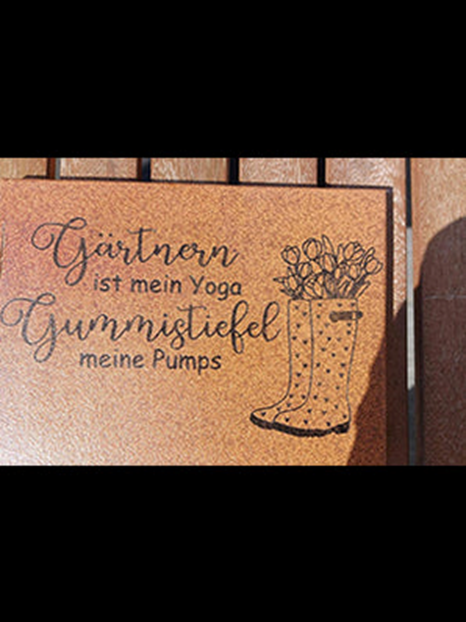
- British Hardwoods (Oak, Beech, Walnut): Perfect for high-end “Heritage” style signage. Deep engraving into English Oak provides a rich, dark contrast that resonates with the UK’s appreciation for traditional craftsmanship.
3. Metallic-Effect Laminates (TroPly / Rowmark)
Real stainless steel or brass is costly and requires specialized fiber lasers.
- The Solution: Use brushed gold or silver micro-laminates. These thin, exterior-grade plastics offer the “Corporate City” look with the ease of CO2 laser cutting. They are the industry standard for UK doctor surgeries, law firms, and commemorative plaques.
Part 2: Advanced Techniques for Professional Impact
1. The “3D” Layered Effect
A flat sign often looks “homemade.” To achieve a professional retail finish, you must introduce depth.
- The Technique: Use a 6mm dark-stained Oak base with 5mm high-gloss black Perspex letters raised on top.
- The Pro Secret: Use 3M 467MP Adhesive Transfer Tape. Apply it to the back of your Perspex sheet before cutting. Once the laser finishes, you simply peel and stick. This provides a bond that can withstand the British weather without messy glue leaks.
2. Architectural Standoffs (The “Floating” Look)
In the UK, the “Floating Sign” is the hallmark of professional interior design.
- How to do it: Laser-cut four 10mm holes in the corners of an acrylic plaque. Use Satin Chrome or Polished Stainless Steel Standoffs to mount the sign 20mm–30mm away from the wall. This creates a sophisticated shadow gap that significantly elevates the price you can charge.
3. Paint Filling (The “Engraved & Infilled” Look)
Crucial for multi-colored brand logos on wood or clear acrylic.
- The Process: 1. Mask your material with high-quality laser masking paper. 2. Engrave through the mask into the material (roughly 1mm deep). 3. Use an acrylic-based spray or “paint pen” to fill the cavities. 4. Peel the mask to reveal a perfectly crisp, multicolored finish that looks manufactured, not handcrafted.
Part 3: UK Logistics & Profitability
Shipping Strategy (Royal Mail vs. ParcelForce)
Shipping fragile signs across the UK requires a smart strategy:
- Small Signs: If your sign is under 25mm thick (including packaging), it can often go via Royal Mail Large Letter, saving significant costs.
- Large Statement Signs: For items over 60cm, use ParcelForce or DPD. Ensure you use double-walled cardboard and “fragile” tape to mitigate the risk of damage during transit.
The “British Made” Advantage
Highlighting that your signs are “Designed and Crafted in the UK” allows you to compete with cheap imports. UK buyers value the ability to communicate directly with the maker and the lower carbon footprint of local production.
UK Pricing Benchmark
To remain profitable after covering VAT (if applicable) and rising energy costs, use this UK-centric baseline:
- Material Cost: Total cost x 3 (to cover scrap and storage).
- Laser Running Time: £1.50 – £2.00 per minute.
- Design & Assembly: £45 – £65 per hour.
- Estimated Retail Price: £145 – £325 for a standard 45cm custom circular business sign with 3D elements.
